
ISRIC showcases WATDEV Toolbox at project closing event

Project update

Africa

Information products & services for SLM

Zhanguo Bai,

Senior soil and land degradation assessment expert

1 July 2026

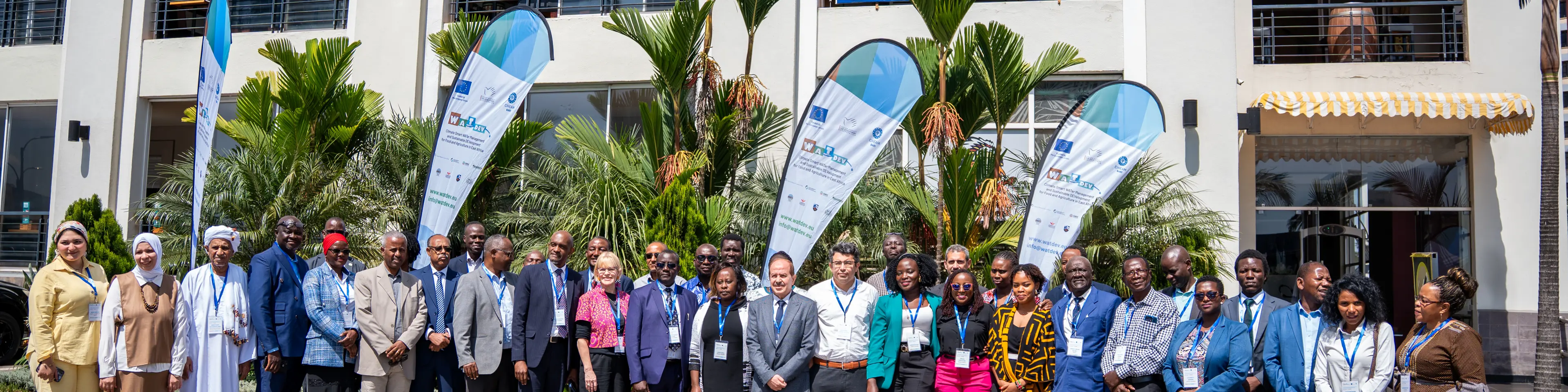
Nairobi , June 2026 – ISRIC participated in the closing conference of the Climate Smart WATer Management and Sustainable DEVelopment for Food and Agriculture in East Africa (WATDEV) project, held on 15–16 June 2026 in a hybrid format. The project’s final partnership meeting was subsequently held online on 17 June 2026.

The conference marked the conclusion of four and a half years of collaborative work aimed at advancing climate-smart water management and sustainable agricultural development across Egypt, Ethiopia, Kenya, and Sudan. Researchers, policymakers, development partners, farmer organisations, and local communities came together to review project achievements, exchange experiences, and discuss future opportunities for scaling up successful interventions.

ISRIC presented the WATDEV Toolbox, an integrated decision-support platform developed to support sustainable land and water management planning. The toolbox combines earth observation data, modelling approaches, and local knowledge to assess water availability, agricultural water demand, soil and land conditions, and the effectiveness of management interventions.

The presentation attracted considerable interest from conference participants. Discussions highlighted the toolbox’s potential to support evidence-based decision-making at multiple scales, from local irrigation schemes to national planning processes. Participants encouraged the consortium to pursue a follow-up phase to enable wider application of the toolbox across larger regions and additional countries in Africa.

The positive reception reflects the growing demand for practical, science-based tools that can help address the interconnected challenges of climate change, water scarcity, land degradation, and food insecurity. Several speakers emphasised that integrated approaches to soil and water management are essential for building resilient agri-food systems that support livelihoods while protecting natural resources.
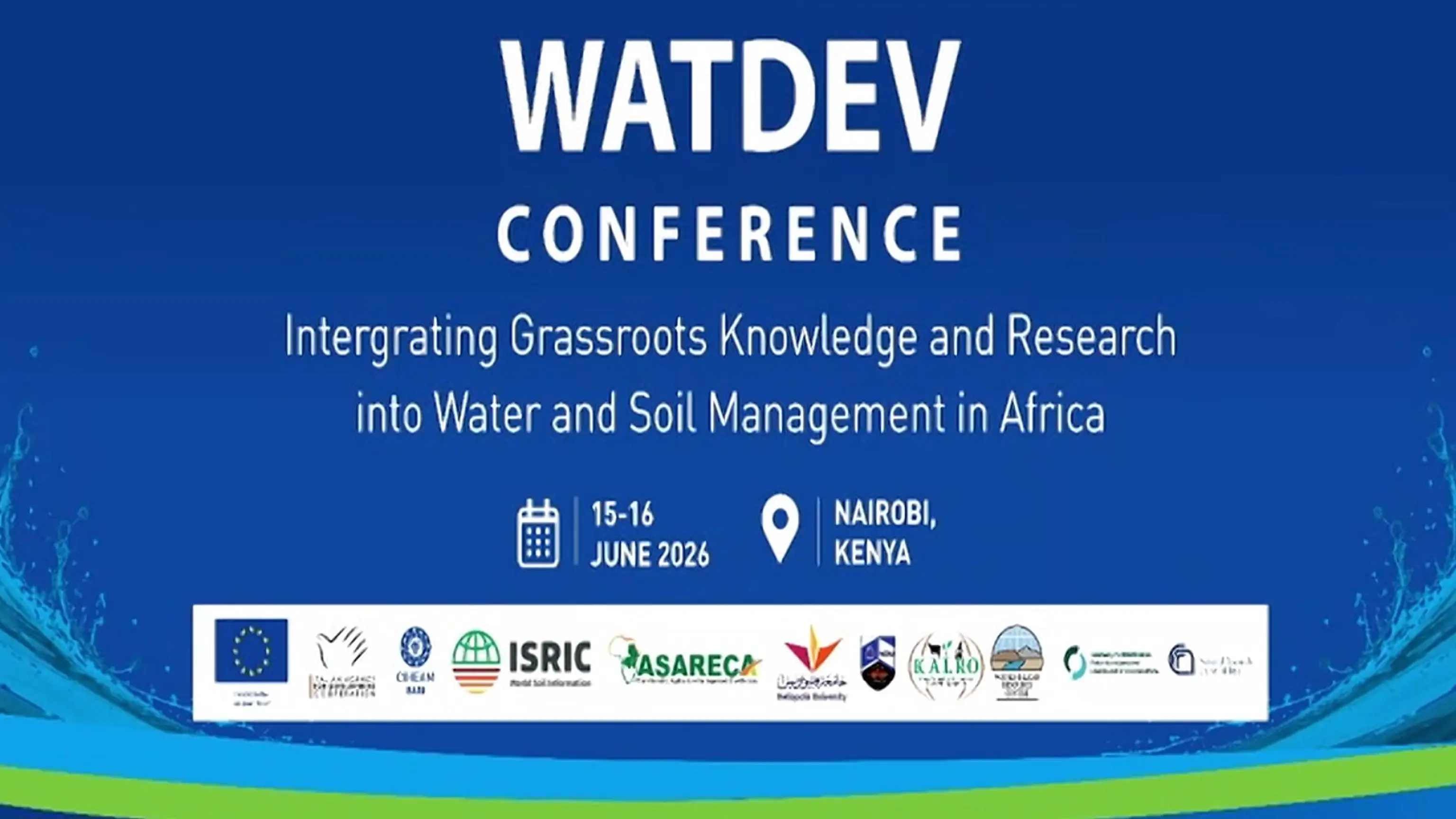
Throughout its implementation, WATDEV demonstrated the value of combining scientific research with grassroots knowledge, promoting innovative modelling approaches, strengthening institutional capacities, and fostering dialogue among stakeholders at local, national, and regional levels. The project was funded through the European Union’s DeSIRA (Development Smart Innovation through Research in Agriculture) Initiative and implemented through a partnership involving the Mediterranean Agronomic Institute of Bari (CIHEAM Bari), the Association for Strengthening Agricultural Research in Eastern and Central Africa (ASARECA), the Kenya Agriculture and Livestock Research Organization (KALRO), Ethiopia’s Water and Land Resources Centre, Sudan’s Water Research Centre, Heliopolis University, ISRIC, and other partners.

The conference reaffirmed that sustainable water and soil management requires coordinated action across sectors, institutions, and countries. As the project reaches the end of its implementation phase, the partnerships established, the capacities strengthened, and the knowledge generated will continue to inform policy development, support investment decisions, and contribute to more resilient agricultural systems across Africa.

During the final partnership meeting, project partners reviewed conference outcomes, discussed the preparation of a position paper, finalised remaining project deliverables, and agreed on reporting activities for the project’s closure. Partners also explored opportunities for future collaboration and further development of the WATDEV toolbox and application on a larger scale and in other countries.

Although the WATDEV project has formally concluded, its legacy continues through the networks, knowledge, and innovations created over the past four and a half years. For ISRIC, the strong interest shown in the WATDEV Toolbox demonstrates the importance of integrated soil and water information systems in supporting climate-resilient agricultural development across Africa.

Suggested content

Share